Key Takeaways
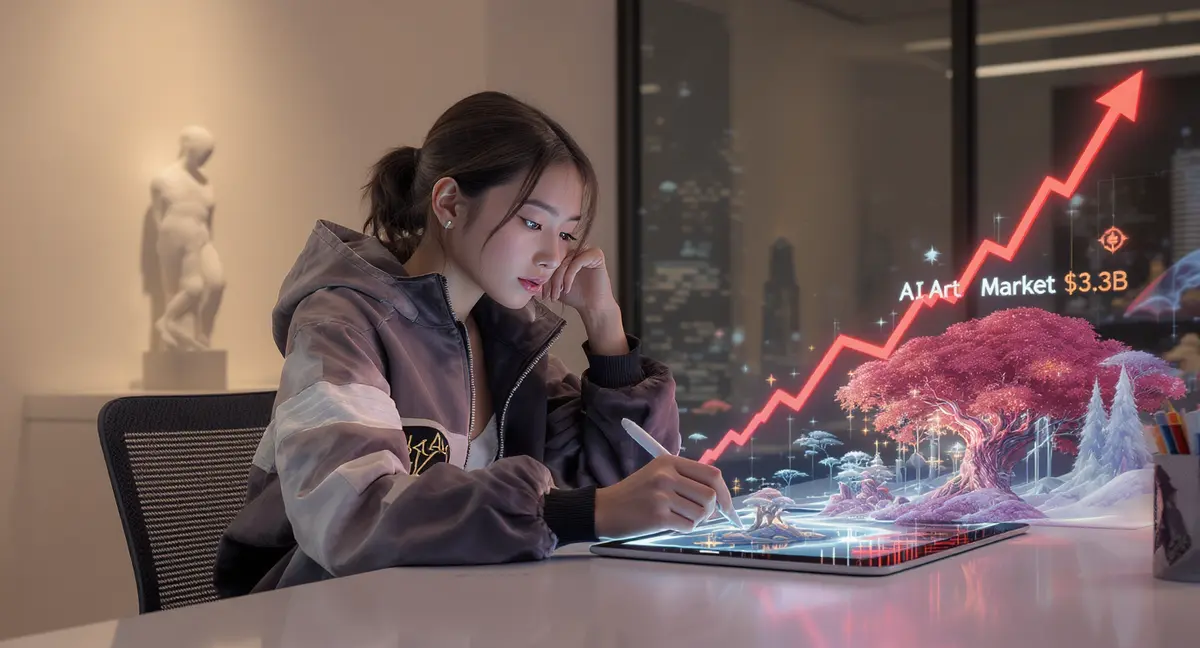
- Yes, you can sell AI-generated art—it's a legitimate and growing market, with the global AI art market projected to reach $40.4 billion by 2033 according to ArtSmart.ai.
- Legal compliance is crucial: U.S. copyright law requires "human authorship" for protection, so significant modification of AI outputs is needed to claim copyright based on U.S. Copyright Office guidance.
- Earnings vary widely: Top sellers can make over $10,000 monthly, but median active sellers earn $200-$800 per month as reported by WiFi Talents.
- Platform choice matters: Etsy, Redbubble, and Adobe Stock are top platforms, with Etsy generating $80 million in AI art sales in 2023 according to WiFi Talents.
- Success requires strategy: Niching down, building a brand, and understanding platform policies are key to standing out in a competitive market.
Introduction
The question "can you sell AI generated art?" is on the mind of every creative exploring this new frontier. The short answer is a resounding yes—but with important caveats. As of 2026, selling AI-generated artwork has evolved from a niche experiment into a structured, multi-billion dollar industry. With the global AI art market valued at $3.2 billion in 2024 and projected to soar to $40.4 billion by 2033 according to ArtSmart.ai, the opportunity is real. However, success demands more than just generating pretty pictures; it requires an understanding of legal landscapes, platform strategies, and marketing savvy. This comprehensive guide will walk you through everything you need to know about how to sell AI art online, from legal basics to advanced monetization strategies, ensuring you're equipped to turn your digital creations into a sustainable income stream.
What is Selling AI Art?
Selling AI art involves commercializing images created with artificial intelligence tools. Unlike traditional digital art, where every brushstroke is manually applied, AI art is generated through algorithms that interpret text prompts or reference images. The seller's role shifts from sole creator to creative director—curating prompts, selecting outputs, and often enhancing results with post-processing. This process can yield everything from digital prints and physical merchandise to NFTs and licensed stock imagery. The key distinction in 2026 is that selling AI art is generally permissible, but copyrighting it depends on the level of human creative input, a nuance we'll explore in depth. Essentially, you're not just selling an image; you're selling a curated visual experience that blends AI capability with human artistry.
The Market for AI Art: Size and Opportunity
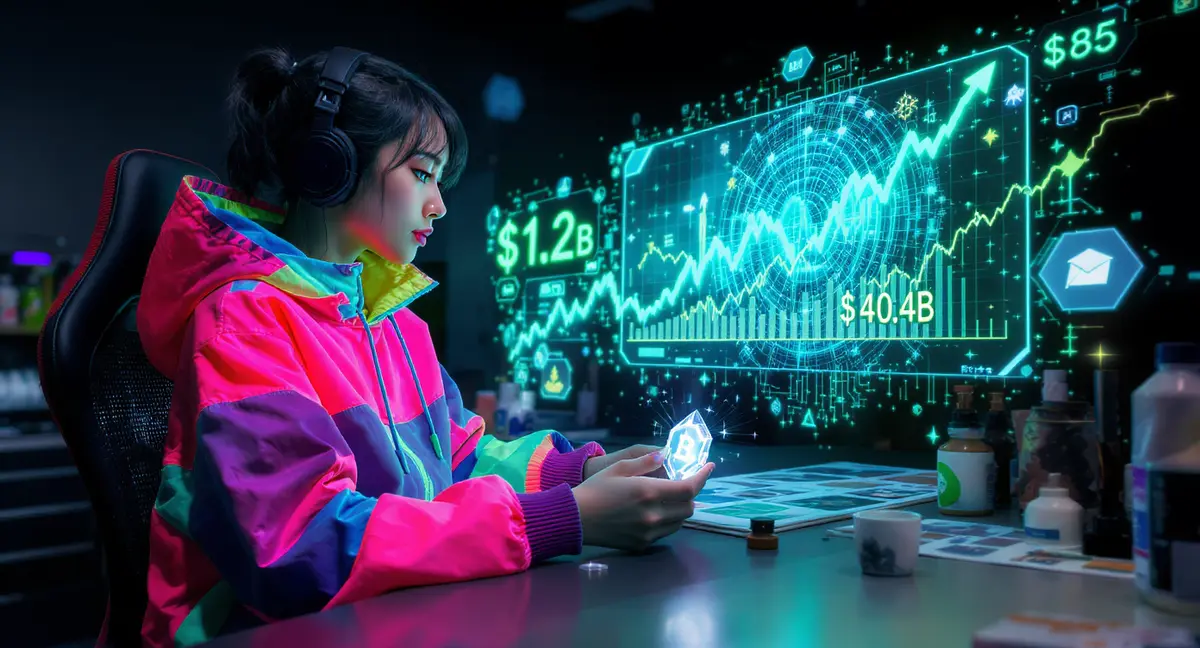
The AI art market has exploded in recent years, transitioning from a speculative niche to a mainstream economic force. In 2023, the global market was worth $1.2 billion, and by 2024 it had surged to $3.2 billion Gitnux, 2026. This growth is driven by massive adoption—Midjourney's user base reached 16 million in 2023, and DALL-E 3 was generating 1.5 million images daily WiFi Talents, 2026. For creators, this translates to tangible revenue streams. In 2023 alone, Etsy saw $80 million in sales from AI art listings, and the AI art print-on-demand market hit $300 million WiFi Talents, 2026. These numbers confirm that selling AI art online is not just a passing trend but a viable business model with robust infrastructure.
The market is also diversifying. Beyond static images, AI video art, animated NFTs, and virtual reality galleries are emerging frontiers Way2Earning, 2026. Additionally, traditional art institutions are embracing AI; Christie's hosted its first all-AI auction in February 2025, grossing nearly $730,000 GarageFarm, 2025. This acceptance signals that AI art is gaining legitimacy across both digital and physical realms.
Legal Landscape: Can You Legally Sell AI Art?
This is the most critical section for any aspiring seller. The legality of selling AI art hinges on two separate issues: the act of sale itself and the copyright status of the work.
In the United States, the Copyright Office has established a strict "human authorship" doctrine. According to their 2026 guidance, pure AI-generated art—from simple text prompts—cannot be copyrighted U.S. Copyright Office, 2025. However, works with "substantial human creative decisions," such as significant modification or arrangement of AI elements, may be eligible for copyright protection. This means you can sell AI generated art legally, but to claim copyright, you must add measurable human input. For example, using AI as a base and then extensively editing in tools like Photoshop can strengthen your claim. The precedent set by cases like "Zarya of the Dawn" underscores that copyright applies only to human-authored contributions Prompts to Dollars, 2026.
In the European Union, the AI Act (enforceable from August 2026) mandates transparency. Sellers must provide visible disclosures and machine-readable metadata for AI-generated content, with fines for non-compliance Prompts to Dollars, 2026. This means labeling your art as AI-generated isn't just ethical—it's a legal requirement in many regions.
Platforms have also stepped up enforcement. Etsy and Amazon KDP use automated scrapers to detect AI content and require mandatory disclosure tags. Failure to comply can lead to account bans Prompts to Dollars, 2026. Always check the terms of service of both your AI tool and sales platform. For instance, when using an AI generator like PearlFrame, ensure you have commercial rights to the outputs, which PearlFrame grants, giving you a solid foundation for legal sales.
How to Sell AI Art Online: A Step-by-Step Guide
Turning AI art into income requires a methodical approach. Here’s a practical, step-by-step breakdown of how to sell AI art successfully.
Step 1: Create High-Quality, Original AI Art
Start by generating artwork that stands out. Use AI image generators that allow commercial use and offer diverse styles. For example, PearlFrame leverages models like Flux Kontext for precise, consistent image generation from text prompts or photo transformations. Focus on crafting detailed prompts and experimenting with styles to produce unique pieces. Document your process—save prompts, iterations, and edits—as this record is crucial for legal protection and refining your technique.
Step 2: Enhance and Prepare Your Art for Sale
Raw AI outputs often need polishing to be market-ready. This step is where you add the "human touch" that can strengthen copyright claims.
- Upscale and Refine: Use tools to increase resolution and clean up artifacts. Basic photo editing skills, like a short Photoshop course, can be invaluable.
- Create Product Mockups: Showcase your art in context. For prints, use mockups of framed wall art; for merchandise, display designs on t-shirts or mocks. This helps customers visualize the final product.
- Format Correctly: Save files in appropriate formats (JPEG for photos, PNG for transparency) and resolutions. For physical products, ensure images are at least 150 DPI and in CMYK color mode for accurate printing.
Step 3: Choose Your Sales Platform
Selecting the best place to sell AI art depends on your product type and goals. Here’s a quick overview (detailed in the next section):
- Digital Downloads: Etsy, Gumroad, or your own website via Payhip.
- Print-on-Demand: Redbubble, Society6, or Zazzle for passive income.
- Stock Imagery: Adobe Stock or Shutterstock for licensing.
- NFTs: OpenSea or Foundation for digital collectibles. Diversify across 2-3 platforms initially to test demand without spreading yourself too thin.
Step 4: List Your Products Effectively
Optimize your listings for visibility and conversions.
- Craft Compelling Titles and Descriptions: Include relevant keywords (e.g., "Surreal Galaxy Landscape AI Art Print") and clearly state what buyers get. Be transparent about AI involvement if required.
- Use High-Quality Visuals: Upload crisp images and engaging mockups. Consider creating short videos or GIFs to showcase your art.
- Set Clear Policies: Define licensing terms (personal vs. commercial use), refunds, and file delivery methods to avoid disputes.
Step 5: Market and Promote Your Store
Building visibility is essential for sales.
- Leverage Social Media: Share your work on Instagram, Pinterest, and Twitter with relevant hashtags like #AIart or #DigitalArt. Engage with communities to build a following.
- Consider Paid Advertising: Once you have a few sales, test low-cost ads on platforms like Facebook or Etsy to reach a broader audience.
- Build an Email List: Offer a free digital download in exchange for email sign-ups to nurture repeat customers.
Best Platforms to Sell AI Art
Where should you sell AI art online? Here’s a detailed breakdown of top platforms in 2026, based on market data and creator experiences.
Etsy: The Hub for Digital and Physical Creations
Etsy remains a powerhouse, generating $80 million in AI art sales in 2023 WiFi Talents, 2026. It's ideal for digital downloads (e.g., wall art, social media templates) and integrated print-on-demand. Key tips:
- Disclose AI Use: Etsy requires transparency, so label your art appropriately.
- Optimize for SEO: Use long-tail keywords in titles and tags to stand out in search.
- Start with Cohesive Collections: Group related artworks (e.g., a "Cyberpunk Cityscapes" series) to attract niche buyers.
Redbubble and Society6: Print-on-Demand Giants
These platforms handle production, shipping, and customer service, offering true passive income. Redbubble is favored for its vast product range, while Society6 appeals to art-focused buyers. Strategy:
- Maximize Product Variations: Upload each design to multiple products (e.g., stickers, posters, apparel) to increase earning potential.
- Niche Down: Focus on specific themes like "cottagecore" or "sci-fi vehicles" to reduce competition.
Adobe Stock and Shutterstock: Stock Image Leaders
The AI stock image market grew 320% from 2022-2023 WiFi Talents, 2026, with Adobe Stock seeing $150 million in AI sales in 2023. These platforms are perfect for licensing artwork to businesses and designers.
- Label Accurately: Tag your submissions as "AI-generated" per platform rules.
- Focus on Commercial Demand: Create images for popular categories like business, technology, or lifestyle.
DeviantArt and ArtStation: Community-Driven Marketplaces
DeviantArt saw a 64% year-over-year growth in 2025, with creators earning $23 million DeviantArt LinkedIn, 2025. These sites blend social features with sales, ideal for building a fanbase.
- Engage with the Community: Participate in groups and contests to gain exposure.
- Sell Premium Content: Offer high-resolution downloads or exclusive variants to followers.
Personal Websites and Direct Sales
Using platforms like Payhip, Shopify, or WooCommerce gives you full control and higher margins. This approach requires more marketing effort but builds a sustainable brand. Tools like PearlFrame can help generate promotional visuals for your website, ensuring a professional look without design skills.
Pricing Your AI Art: How Much Can You Make?
How much can you make selling AI art? Earnings span a broad spectrum, influenced by effort, niche, and platform strategy. According to 2026 data, median monthly income for active sellers is $200 to $800, but top sellers can exceed $10,000 WiFi Talents, 2026. Revenue often scales with time; a realistic timeline might involve:
- Months 1-3: $0-$100 (learning and setup phase).
- Months 4-6: $50-$500 (initial traction and optimization).
- Months 7-12: $200-$2,000 for established sellers.
- Year 2+: $500-$10,000+ for those treating it as a serious business.
Pricing should reflect value, not just production cost. Consider these tiers:
- Digital Downloads: $5–$30 for wall art, printables, or social media templates.
- High-Resolution Prints: $15–$60, depending on size and quality.
- Commercial Licenses: $50–$200+ for businesses to use your art in marketing or products.
- NFTs: 0.01–0.2 ETH (or equivalent on low-fee blockchains like Tezos).
- Custom Commissions: $25–$500 for personalized artwork.
Use psychological pricing (e.g., $19.99 instead of $20) and bundle discounts to encourage purchases. Remember, catalogs with 100+ listings consistently outperform smaller ones, so focus on volume and quality.
Ready to bring your ideas to life? Try creating your own unique AI image right here.
Advanced Tips for Success in 2026
Beyond basics, these strategies can elevate your AI art business:
1. Niche Down with Precision
Generic AI art is oversaturated. Instead, target underserved niches like "vintage botanical illustrations" or "minimalist tech logos." Use AI tools like ChatGPT to research sub-niches and identify gaps in the market. Consistency across platforms strengthens your brand.
2. Build a Robust Legal Paper Trail
Given copyright complexities, meticulous documentation is non-negotiable. Keep records of:
- Prompt histories and iterations.
- Screenshots of editing steps in software like Photoshop.
- Commercial licenses from your AI generator (e.g., PearlFrame's terms grant usage rights).
- Communications with platforms regarding AI policies. This paper trail can defend against disputes and support copyright claims for human-augmented works.
3. Leverage AI for Marketing and Efficiency
Use AI beyond art generation. For instance, PearlFrame can create social media graphics, email banners, or product mockups to promote your store. Automate tasks where possible—tools like Wirestock can distribute designs to multiple stock sites, saving hours of manual uploads.
4. Stay Ahead of Trends
The AI art market is evolving rapidly. Watch for trends like AI video art, interactive NFTs, or integration with augmented reality. Early adoption in these areas can position you as an innovator. Additionally, monitor legal changes; the EU AI Act and similar regulations worldwide will shape how art is sold and disclosed.
5. Foster Community and Transparency
Engage with buyers and fellow creators. Share your creative process—how you use AI, the edits you make, and the stories behind your art. Transparency builds trust, which is crucial in an industry where authenticity is often questioned. Join Discord servers, Reddit communities, or local meetups to network and learn.
Conclusion
Can you sell AI generated art? Absolutely. The market is booming, with proven revenue streams and growing acceptance. However, success in 2026 demands a professional approach: understand the legal nuances, choose platforms wisely, and market strategically. By treating AI art sales as a business—not just a side hustle—you can tap into a multi-billion dollar industry. Start by creating stunning, original art with tools like PearlFrame, then apply the strategies from this guide to build your online presence. The future of AI art is bright, and with the right knowledge, you can be part of it.

Frequently Asked Questions
Q: Is it legal to sell AI-generated art on Etsy? A: Yes, Etsy allows AI art sales, but you must disclose AI involvement and ensure your work has sufficient human creative input to comply with their policies. Failure to label AI content correctly can result in account suspension.
Q: How do I copyright AI-generated art? A: In the U.S., pure AI outputs cannot be copyrighted. To claim copyright, you need to add substantial human creativity, such as editing, compositing, or modifying the AI-generated base. Document your process thoroughly and consider consulting an intellectual property lawyer for important works.
Q: What are the best AI art generators for commercial use? A: Choose tools with clear commercial terms. PearlFrame grants commercial rights for generated images, making it a safe choice for sellers. Always review the terms of service of any generator to confirm you can sell the outputs.
Q: How much can I realistically earn from selling AI art? A: Most active sellers earn $200-$800 monthly, but with consistent effort, niche focus, and multiple platforms, earnings can scale to several thousand dollars per month. Top sellers treat it as a full-time business, leveraging volume and marketing.
Q: Do I need to label my art as AI-generated? A: Yes, on most platforms. Transparency is required by law in some regions (like the EU under the AI Act) and by platform policies to build trust with buyers. Proper labeling also helps avoid legal issues.
Q: Can I sell AI art as NFTs? A: Yes, platforms like OpenSea and Foundation support AI art NFTs. However, ensure you own the rights to the artwork (check your AI tool's terms) and disclose AI involvement to buyers. The NFT market for AI art totaled $174 million in sales in 2023.
Q: How do I avoid copyright infringement when using AI? A: Avoid prompts that reference copyrighted characters, trademarks, or distinctive artist styles. Use original or licensed materials in your inputs, and apply common sense to outputs. For more guidance, see our post on How to Write Good Image Prompts for AI.